
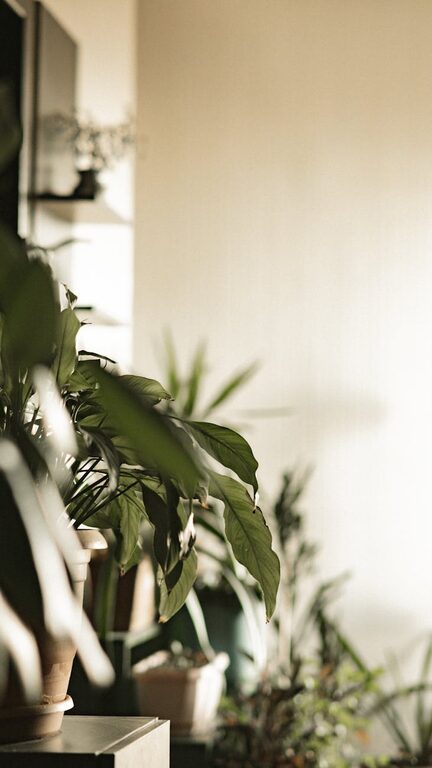
Creating a relaxing home environment is something many of us aspire to, especially as we spend more time indoors. Two of the simplest and most effective ways to achieve a calm, soothing atmosphere involve incorporating plants and harnessing natural light. Both elements can significantly improve mood, reduce stress, and make your living space feel more welcoming. Here, we will explore practical tips on using these natural elements to refresh your home.
Why Use Plants and Natural Light?
Plants are known for their air-purifying qualities and ability to connect us with nature. Natural light, on the other hand, regulates our body rhythms and enhances the perception of space. Together, they create a vibrant and peaceful environment that supports mental well-being.
Choosing the Right Plants for Your Space
Not all plants are suited to every home, so selecting the right ones is key.
Easy-to-Care-for Indoor Plants
If you’re new to plant care or have a busy schedule, consider these low-maintenance options:
– Spider plant (Chlorophytum comosum): Requires moderate indirect light and occasional watering.
– Snake plant (Sansevieria): Tolerates low light and infrequent watering.
– Pothos (Epipremnum aureum): Thrives in various light conditions and is hardy.
Plants for Air Purification
Some plants are particularly good at improving indoor air quality, which benefits health and comfort:
– Peace lily (Spathiphyllum): Filters toxins and adds graceful white blooms.
– Aloe vera: Cleans the air and can be used for minor skin relief.
– Boston fern (Nephrolepis exaltata): Helps increase humidity and reduce pollutants.
Placement Tips
– Position taller plants near corners or empty walls to fill space.
– Use smaller plants on shelves, window sills, or desks.
– Arrange clusters of plants to create a mini indoor garden.
Maximising Natural Light in Your Home
Once your plants are in place, ensuring they receive adequate light is essential. Natural light also benefits all household members by boosting energy and enhancing mood.
Assess Your Lighting Conditions
Identify rooms with good natural light throughout the day:
– South-facing windows generally provide the most consistent light.
– East-facing windows offer gentle morning sun, ideal for delicate plants.
– North-facing rooms tend to have softer, indirect light.
Keep Windows Clear
For maximum light, keep window areas tidy:
– Avoid heavy curtains or opt for light, sheer fabrics.
– Clean your windows regularly to remove dust and grime that block sunlight.
Use Mirrors and Reflective Surfaces
Mirrors can amplify natural light by reflecting it deeper into rooms. Place mirrors opposite windows or near plants to maximise brightness.
Choose Light-Friendly Room Colours
Bright or neutral wall colours (like white, cream, or pastel tones) reflect daylight well, creating an airy and calming atmosphere.
Arranging Your Space for Calm and Comfort
Combining plants and natural light is more impactful when thoughtfully arranged.
Create Zones for Relaxation
Dedicate areas specifically for unwinding:
– A cosy reading nook next to a sunny window with a comfortable chair and a collection of your favourite plants.
– A meditation corner surrounded by lush foliage with soft natural light filtering in.
Balance Clutter with Greenery
Plants add freshness without adding clutter. Use vertical space with hanging pots or wall-mounted planters when floor space is limited.
Use Natural Materials and Textures
Complement plants and light with natural textures such as wood, rattan, or linen for furniture and décor to enhance the overall feeling of tranquility.
Practical Care Tips for Healthy Plants
Healthy plants look better and contribute more to your home environment.
– Watering: Follow individual plant needs – some prefer dry soil between watering, others like consistent moisture.
– Humidity: Many houseplants appreciate higher humidity levels. Consider misting leaves or using a humidifier during dry months.
– Feeding: Use a balanced plant fertiliser during the growing season (spring and summer).
– Pest Control: Regularly check leaves for signs of pests like spider mites or aphids and address them promptly using natural remedies or gentle insecticides.
Benefits of a Plant-Filled, Sunlit Home
Creating a home rich in greenery and bathed in natural light brings many advantages beyond aesthetics:
– Reduces stress and promotes relaxation.
– Improves air quality and indoor humidity.
– Enhances concentration and creativity.
– Supports your body’s natural rhythms with exposure to daylight.
– Creates a welcoming environment for guests and family.
Conclusion
By thoughtfully adding plants and maximising natural light, you can transform your home into a relaxing sanctuary. It does not require extensive effort or expense, just a little planning and care. Start small with a favourite easy-care plant, keep your windows clear, and enjoy the calm, natural beauty that follows.
Remember, creating a peaceful home environment is a personal journey. Find what works best for your space and lifestyle, and let nature inspire a restful, happier living area.
About the Author