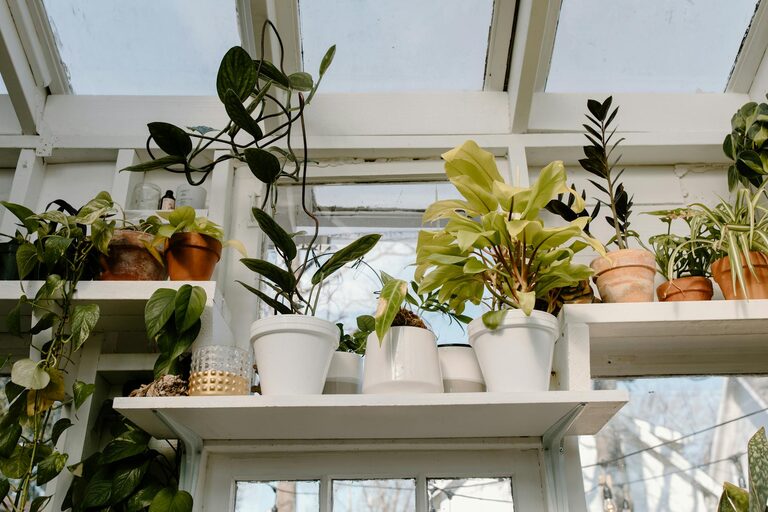
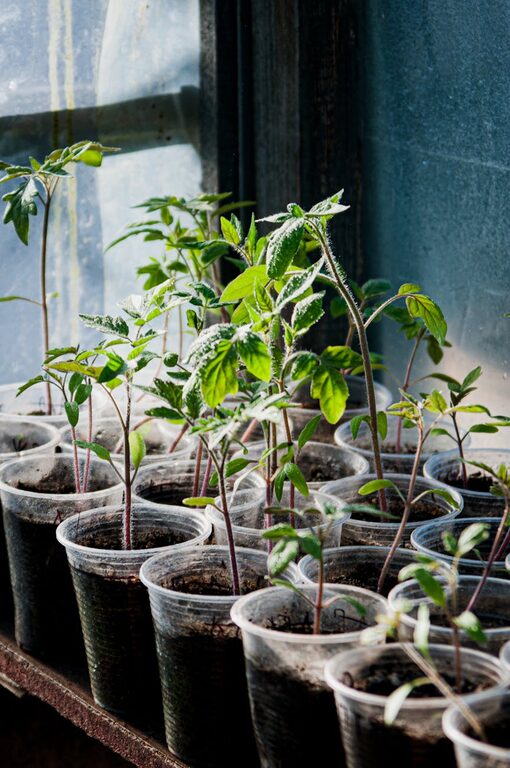
Creating a sustainable home garden is a rewarding way to nurture your connection with nature while reducing environmental impact. By adopting eco-friendly practices and planning carefully, you can enjoy a flourishing garden throughout the year. Whether you have a small balcony or a spacious backyard, these tips will help you grow plants sustainably in every season.
Understanding Sustainable Gardening
Sustainable gardening focuses on using natural processes to maintain healthy soil, conserve water, and reduce reliance on chemicals. It promotes biodiversity, supports local wildlife, and minimises waste. By gardening sustainably, you contribute to a healthier planet while enjoying fresh, homegrown produce and beautiful plants.
Plan Your Garden According to the Seasons
Successful year-round gardening involves understanding your local climate and seasonal changes. Planning what to plant and when helps optimise growth and sustainability.
Spring
– Start seeds indoors to get an early start.
– Plant cool-season crops like lettuce, spinach, and peas.
– Prepare garden beds by adding compost and mulch.
Summer
– Grow heat-tolerant vegetables such as tomatoes and peppers.
– Mulch to retain soil moisture and suppress weeds.
– Harvest regularly to encourage more growth.
Autumn
– Plant autumn crops like brassicas and root vegetables.
– Collect fallen leaves for composting or use as mulch.
– Begin planting bulbs for spring flowers.
Winter
– Use cold frames or cloches to protect hardy plants.
– Focus on maintenance: pruning, soil improvement, and tool care.
– Consider indoor gardening or grow lights for herbs and microgreens.
Choose Native and Climate-Adapted Plants
Native plants are well-adapted to local conditions. They require less water and fewer fertilizers or pesticides. Incorporating these into your garden supports local pollinators and wildlife, enhancing your garden’s ecosystem.
Improve Soil Health Naturally
Healthy soil is the foundation of a sustainable garden. Avoid chemical fertilisers by enriching soil with organic matter:
– Use homemade compost from kitchen scraps and garden waste.
– Apply mulch to retain moisture and suppress weeds.
– Rotate crops annually to prevent nutrient depletion and reduce pests.
Conserve Water Efficiently
Water is a precious resource, so conserving it is essential for sustainability:
– Install rainwater harvesting systems like barrels or tanks.
– Water plants early in the morning or late in the evening to reduce evaporation.
– Use drip irrigation or soaker hoses to deliver water directly to roots.
– Group plants with similar water needs together.
Encourage Biodiversity
A diverse garden promotes natural pest control and resilience:
– Plant a variety of flowers, shrubs, and vegetables.
– Create habitats with log piles, birdhouses, or insect hotels.
– Avoid pesticides; use companion planting to deter pests naturally.
– Introduce beneficial insects such as ladybirds and bees.
Compost and Reduce Waste
Composting garden and kitchen waste turns organic matter into nutrient-rich soil improver:
– Use a compost bin or heap in a shady spot.
– Add a mix of green materials (e.g. vegetable scraps, grass clippings) and brown materials (e.g. dry leaves, twigs).
– Turn the compost regularly for aeration.
Composting reduces landfill waste and the need for chemical fertilisers.
Opt for Organic Pest and Disease Controls
Avoid harsh chemicals by adopting natural methods:
– Encourage predators like birds, toads and spiders.
– Handpick pests such as slugs or caterpillars.
– Use natural sprays like neem oil or garlic water.
– Maintain plant health through proper watering and nutrient supply, reducing vulnerability.
Use Sustainable Garden Materials
Choose environmentally friendly materials for garden structures and tools:
– Use recycled or sustainably sourced wood for raised beds or fencing.
– Opt for hand tools made from durable, recyclable materials.
– Avoid plastic pots where possible; try terracotta or biodegradable options.
Involve the Whole Family
Gardening can be a fun, educational activity for everyone:
– Teach children about plant life cycles and sustainability.
– Share responsibilities such as watering, weeding, and harvesting.
– Celebrate seasonal changes with garden events.
Monitor and Adapt
Sustainability requires ongoing care and flexibility:
– Keep a garden journal to track planting dates, successes, and challenges.
– Observe plant health and adjust watering or feeding accordingly.
– Experiment with new plants and techniques suitable for your conditions.
—
By combining thoughtful planning, natural methods, and respect for your local environment, you can create a thriving sustainable home garden that supports biodiversity and reduces waste. Enjoy the process of growing your own green sanctuary all year round.
About the Author