Creating a sustainable home garden that thrives all year round is both rewarding and environmentally friendly. With a few simple tips and some thoughtful planning, you can enjoy fresh herbs, vegetables, and flowers while reducing waste and conserving resources. Whether you have a spacious backyard or a small balcony, this guide will help you cultivate a garden that supports nature and your wellbeing throughout every season.
Understanding Sustainable Gardening
Sustainable gardening focuses on practices that minimise harm to the environment, conserve resources, and encourage biodiversity. This means using natural methods to nurture your plants, reducing reliance on chemicals, and making the most of what nature offers.
Why Choose Sustainability?
– Protects local wildlife by creating habitats
– Reduces pollution and chemical use
– Conserves water and soil
– Promotes healthier plants and food
– Lowers gardening costs over time
Planning Your Year-Round Garden
Good planning sets the foundation for gardening success, especially when aiming to grow throughout the year.
Choose the Right Plants
Select varieties suited to your local climate and soil. Native plants and traditional vegetables often need fewer resources and resist pests better. Consider staggered planting times for continuous harvests.
– Spring/Summer: Tomatoes, courgettes, salad greens, herbs such as basil and parsley
– Autumn/Winter: Kale, Brussels sprouts, leeks, winter onions, and hardy herbs like rosemary and thyme
Prepare Your Soil Properly
Healthy soil is vital. Add organic matter such as compost or well-rotted manure to improve soil texture and fertility. Avoid synthetic fertilisers when possible.
Use Companion Planting
Certain plants support each other when planted closely. For example, marigolds can deter pests and enhance vegetable growth. Companion planting encourages a balanced ecosystem in your garden.
Water Wisely
Water is precious, so conserving it is key to sustainability.
– Collect Rainwater: Use barrels to gather rainwater for watering your plants.
– Water Early or Late: Reduce evaporation by watering in the early morning or late evening.
– Use Drip Irrigation or Soaker Hoses: These methods target roots directly, minimising waste.
– Mulch: Apply mulch to retain soil moisture and suppress weeds.
Encourage Wildlife
Attract beneficial insects and birds which help control pests naturally.
– Plant wildflowers or herbs like lavender and chamomile.
– Install bird feeders and baths to invite local birds.
– Avoid pesticides that can harm helpful insects like bees and ladybirds.
Grow in Containers and Vertical Spaces
Not everyone has large gardens, but you can maximise space sustainably.
– Use pots, window boxes, or hanging baskets for herbs and small vegetables.
– Create vertical gardens using trellises or wall-mounted planters to grow peas, beans, or strawberries.
Compost for Sustainability
Composting turns kitchen waste into nutrient-rich soil without chemicals.
– Set up a compost bin or heap for vegetable scraps, coffee grounds, eggshells, and garden clippings.
– Turn the compost regularly to speed up breakdown.
– Use the finished compost as a natural fertiliser.
Protect Your Plants Naturally
Look for natural ways to protect plants from pests and diseases.
– Use hand-picking or encourage predators like frogs and hedgehogs.
– Make homemade sprays from garlic, chilli, or soap to deter pests.
– Rotate crops annually to reduce soil-borne diseases.
Season Extension Techniques
For year-round gardening, consider ways to extend the growing season.
– Use cold frames or cloches to protect plants during frosty months.
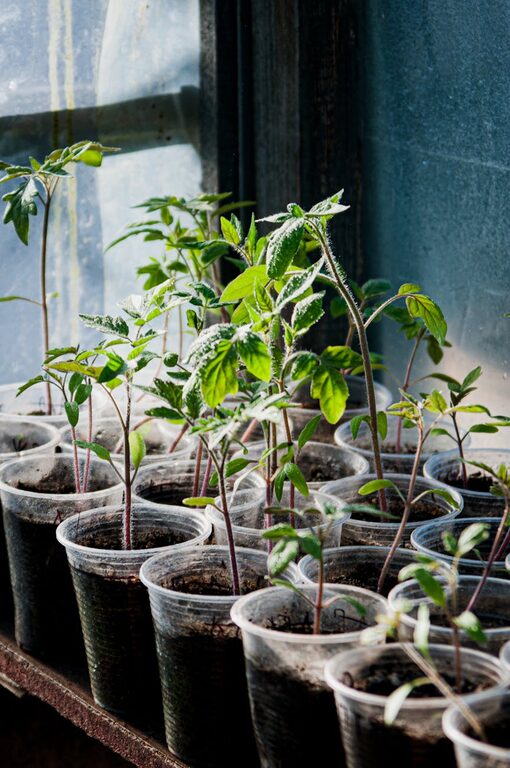
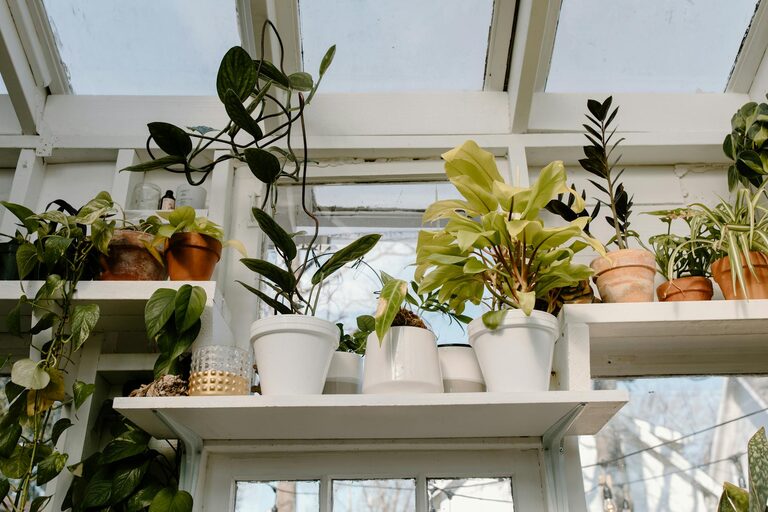
– Employ greenhouses or polytunnels for more control over temperature and humidity.
– Keep some plants indoors on sunny windowsills during winter.
Sustainable Tools and Practices
Using eco-friendly tools and methods can reduce your garden’s environmental footprint.
– Opt for manual tools rather than petrol-powered ones.
– Choose durable, high-quality equipment that lasts longer.
– Reuse materials and avoid single-use plastics where possible.
Final Thoughts
Creating a sustainable home garden all year round is a fulfilling way to connect with nature and improve your living space. With thoughtful planning, natural techniques, and care, you can enjoy fresh, healthy plants while supporting the environment. Start small, observe what works best for your garden, and adapt as you go. Sustainable gardening is a journey that benefits both you and the planet.
Happy gardening!
About the Author