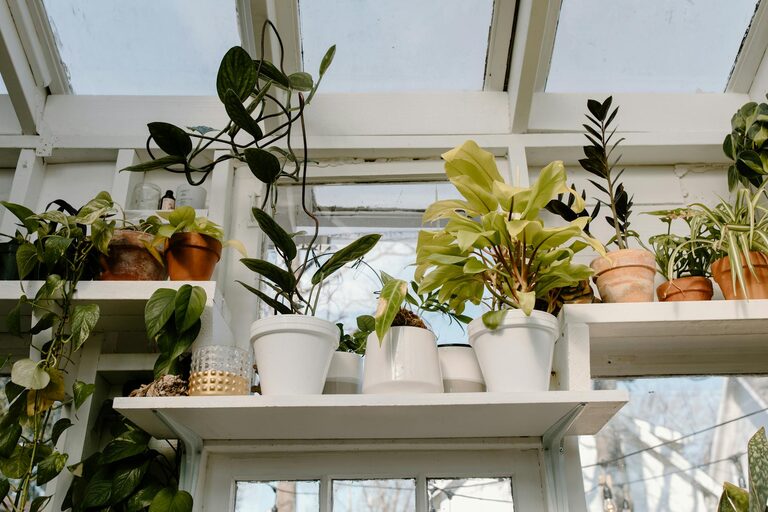

Creating a relaxing garden space at home can provide a much-needed escape from the stresses of daily life. Whether you have a large garden or a small balcony, with some careful planning and creativity, you can transform your outdoor area into a personal retreat. This guide offers practical tips to help you design a calming garden space that invites you to relax and recharge.
Planning Your Relaxing Garden Space
Before you start planting or purchasing furniture, it’s important to plan your garden layout thoughtfully. Consider the size of your space, the amount of sunlight it receives, and how you would like to use it.
Assess Your Space
– Sunlight: Note which areas get morning, afternoon, or full sun. This will help you choose suitable plants.
– Privacy: Identify any nearby windows, neighbours, or streets where you may want to add screening.
– Accessibility: Think about pathways and whether you want your garden to be wheelchair or stroller-friendly.
Define Your Purpose
Ask yourself what you want from the garden space:
– Is it primarily for quiet reflection?
– Would you like a space to entertain guests?
– Do you want an area to do light gardening?
Knowing your goals will guide your choices in design and plant selection.
Choosing Calm Colours and Plants
Colours greatly affect the mood of a garden. Soft, natural tones tend to have a soothing effect.
Colours to Consider
– Shades of green promote calmness and harmony.
– Pale blues and lavenders offer a gentle and peaceful feeling.
– White and cream flowers add brightness without overwhelming the senses.
Suggested Plants for Relaxation
– Lavender: Known for its scent and calming properties.
– Ferns: Provide lush greenery and a gentle texture.
– Hostas: Ideal for shade and adding softness.
– Grasses: Movement in the breeze can be very relaxing.
– Herbs: Such as chamomile and mint, which are calming and useful too.
Ensure plants are suitable for your climate and soil conditions.
Creating Comfort with Furniture and Accessories
Comfortable seating makes a garden inviting and encourages longer stays.
Furniture Tips
– Choose weather-resistant materials like treated wood, metal, or rattan.
– Include cushions and throws in muted colours for extra coziness.
– Consider a hammock or a swing chair for gentle rocking motion.
– Arrange seating to take advantage of the best views and sunlight.
Incorporating Accessories
– Water features: A small fountain or birdbath can introduce soothing sounds.
– Lighting: Use soft garden lights or fairy lights to create a cosy atmosphere in the evening.
– Shade: Umbrellas, pergolas, or shade sails offer protection on sunny days.
– Outdoor rugs: Help define seating areas and add warmth.
Adding Functional Elements for Practicality
A relaxing garden should not only be beautiful but also easy to maintain.
Storage Solutions
– Use discreet storage boxes or benches to keep gardening tools and cushions tidy.
– Vertical planters can save space and add greenery to walls.
Pathways and Flooring
– Clear, level paths improve access and safety.
– Materials like gravel, stone, or wood decking contribute to a natural look.
Pest Control
– Encourage wildlife such as ladybirds and bees which can help manage pests naturally.
– Avoid harsh chemicals that can disrupt the peaceful garden environment.
Encouraging Mindfulness and Connection with Nature
The best relaxation often comes from feeling connected to the natural world.
Create Quiet Corners
– Place a bench or cushions in a secluded spot for reading or meditation.
– Hang wind chimes or install a bird feeder to attract wildlife.
Sensory Gardens
– Incorporate plants and features appealing to all senses: fragrant flowers, textured leaves, colourful blooms, and bubbling water.
– Consider plants that bloom in different seasons for year-round enjoyment.
Gardening as Relaxation
– Engage in gentle gardening tasks like pruning or planting to reduce stress.
– Use the garden as a mindful space to appreciate growth and change.
Maintenance Tips for a Stress-free Garden
Keeping your garden looking its best can be enjoyable rather than a chore.
Stay Organised
– Schedule regular, short maintenance sessions to avoid feeling overwhelmed.
– Mulch beds to reduce weeds and conserve moisture.
Seasonal Care
– Prepare your garden for winter by protecting sensitive plants.
– Plan for seasonal changes with bulbs, annuals, or evergreen shrubs.
Tools and Supplies
– Invest in good-quality, ergonomic tools to make gardening easier.
– Keep supplies in one place for quick access.
Final Thoughts
Transforming your garden into a relaxing space is a rewarding project that can benefit both your physical and mental wellbeing. By focusing on thoughtful design, comfort, natural elements, and mindful use of the space, your garden can become a sanctuary where you enjoy peace and connection with nature every day.
Remember, every garden is unique, so feel free to adapt these ideas to suit your taste, lifestyle, and space. Start small, experiment, and most importantly, enjoy the process of creating your own relaxing garden retreat.
About the Author