Creating a relaxing garden space at home can be a wonderful way to unwind after a busy day. Whether you have a large backyard or a small balcony, a thoughtfully designed outdoor area can provide a peaceful retreat where you can connect with nature, enjoy fresh air, and leave daily stresses behind. In this post, we will explore practical tips to help you design a calming garden space that suits your lifestyle and preferences.
Why Create a Relaxing Garden Space?
Gardens have long been recognised for their positive impact on mental wellbeing. Spending time outdoors can reduce stress, improve mood, and offer a moment of quiet reflection. A personal garden space tailored for relaxation encourages you to slow down, breathe deeply, and enjoy simple pleasures. The effort taken to create such a space is well worth it for the benefits it brings.
Planning Your Garden Retreat
Before you start planting or buying furniture, it’s important to plan your garden layout and consider what makes you feel relaxed.
Consider Your Space
– Assess the size: Whether it’s a sprawling garden or a compact patio, understanding the dimensions helps to design appropriately.
– Sunlight and shade: Observe how sunlight moves across your garden throughout the day. Some plants and seating areas might need shade, while others prefer sun.
Define Your Purpose
Decide what activities you want in your garden. Do you want a quiet spot for reading, a small dining area, or simply a green space filled with plants?
Choose a Style That Suits You
The style of your garden influences how relaxing it feels. You might prefer a minimalist modern look, a wildflower meadow style, or a traditional English garden. Consider colours, textures, and materials that are soothing to you.
Creating a Calm Atmosphere with Plants
Plants are the heart of any garden and play a big role in setting a tranquil atmosphere.
Select Soothing Colours
– Soft greens, blues, and whites tend to evoke calmness.
– Include plants that flower gently and seasonally for visual interest without being overwhelming.
Opt for Low-Maintenance Plants
To keep your garden stress-free, choose plants that suit your local climate and are easy to care for. Examples include lavender, ferns, hellebores, and ornamental grasses.
Incorporate Evergreen Plants
Evergreens provide year-round structure and greenery, contributing to a consistent relaxing feel even in winter.
Use Fragrant Plants
Scent is very powerful for relaxation. Herbs like lavender, rosemary, and mint, or flowers like jasmine and gardenias, can create a subtle, soothing fragrance.
Adding Comfortable Seating
A relaxing garden space needs a comfortable place to sit and enjoy the surroundings.
Types of Seating to Consider
– Benches: Traditional wooden benches or cushioned ones offer comfort.
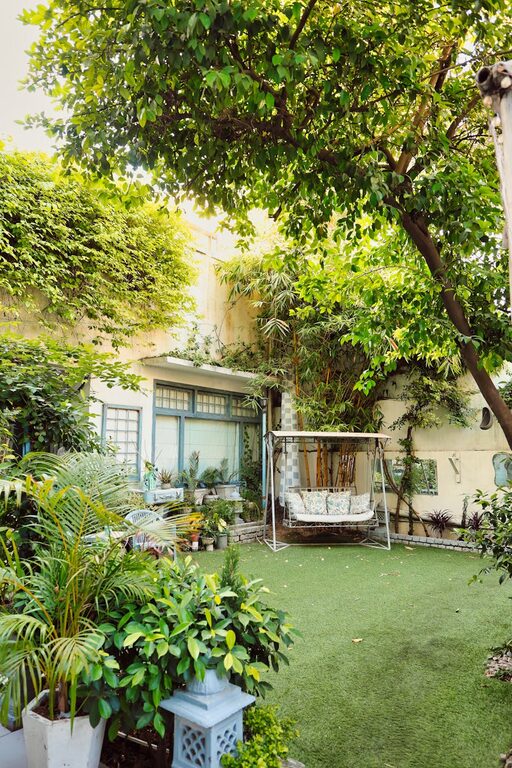
– Hammocks or swings: Perfect for gentle rocking and unwinding.
– Outdoor armchairs or loungers: Ideal for reading or sunbathing.
Focus on Comfort
Use weather-resistant cushions and throws to make seating areas cosy. Consider adding a small side table for cups of tea or a book.
Using Water Features to Enhance Tranquillity
The sound of running water has a calming effect and adds a sensory dimension to your garden.
– Small fountains: Easy to install and maintain in most garden sizes.
– Birdbaths: Attract wildlife and add gentle water sounds.
– Ponds: If space allows, a pond with floating plants can feel very peaceful.
Lighting for Evening Relaxation
Extend your time in the garden by incorporating gentle lighting.
– Solar or low-voltage lights: Safer and energy-efficient options for paths and borders.
– String lights or lanterns: Add warmth and a magical atmosphere.
– Candles or tea lights: Place them safely in holders for intimate lighting.
Creating Privacy and Shelter
Privacy can make your garden feel like a personal sanctuary.
– Use hedges or trellises: These provide natural screens.
– Plant climbing plants: Clematis or ivy can create attractive green walls.
– Add a pergola or gazebo: Offers shade and shelter, making your garden usable in various weather.
Incorporating Personal Touches
Adding elements that reflect your personality helps you feel more at ease in your garden.
– Decorative cushions, wind chimes, or favourite garden ornaments.
– A small herb or vegetable patch if you find gardening therapeutic.
– Artwork or sculptures that inspire calmness.
Maintaining Your Relaxing Garden Space
To keep your garden a stress-free place, regular but manageable upkeep is essential.
– Set aside a little time weekly for watering, pruning, and tidying.
– Use mulch to reduce weeds and help soil retain moisture.
– Plan your garden so that it doesn’t require too much effort, allowing it to remain a source of relaxation rather than work.
Final Thoughts
Creating a relaxing garden space is about making a place where you feel comfortable, peaceful, and connected with nature. By planning carefully, choosing the right plants and furniture, and adding thoughtful touches, your garden can become a wonderful refuge to enjoy after a long day. Remember, the most important thing is that your garden reflects what relaxes you personally. So, start small, be patient, and watch your peaceful garden oasis grow.
About the Author