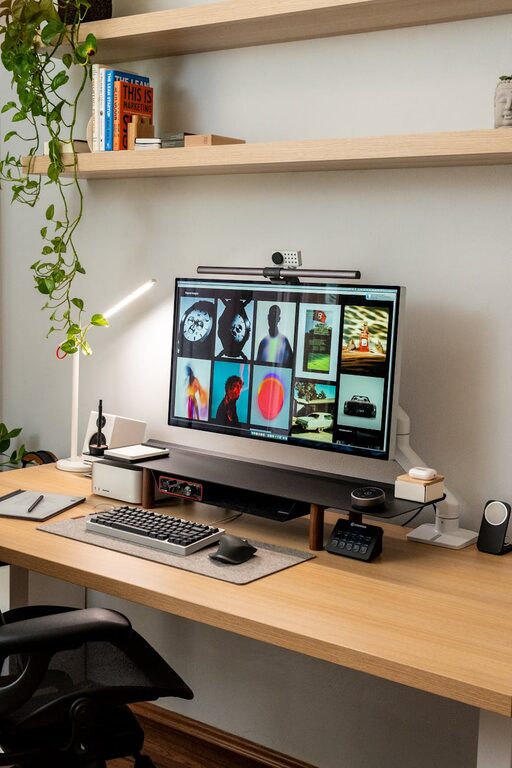
Creating a home office that is both relaxing and productive is essential for those who work remotely or need a dedicated space for focused tasks. A well-designed workspace can help reduce stress, increase efficiency, and improve overall well-being. Here are some practical tips to help you create a home office that strikes the perfect balance between comfort and productivity.
Choose the Right Location
Selecting the right spot for your home office is the first step. Ideally, you want a quiet area with minimal distractions, good natural light, and enough space for your needs.
Consider Natural Light
Natural light has been proven to improve mood and productivity, so position your desk near a window if possible. Avoid placing your screen directly opposite a window to reduce glare.
Minimise Distractions
Pick a room or corner away from the busiest areas of your home to help maintain focus. If space is limited, use room dividers or screens to create a separate zone.
Invest in Comfortable and Ergonomic Furniture
Comfort plays a vital role in productivity. Spending long hours at a desk requires furniture that supports good posture and reduces physical strain.
Desk and Chair
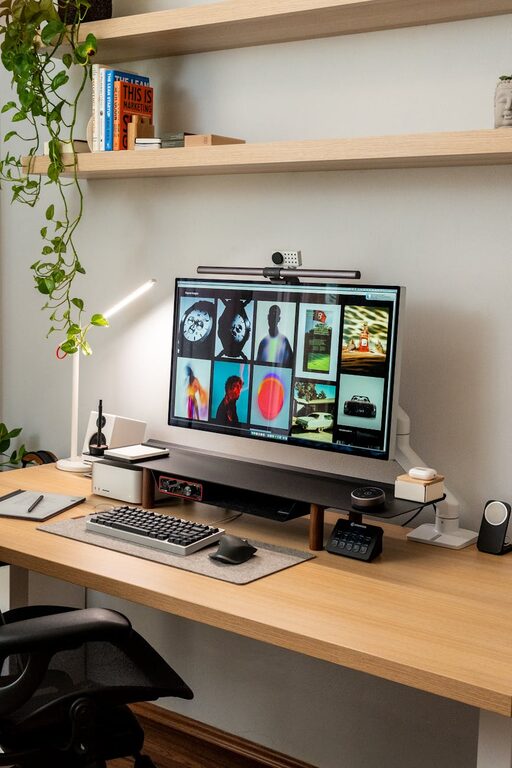
Choose an adjustable chair with good lumbar support. Your desk should be the right height—generally around elbow level when seated. Standing desks or adjustable desk converters are also great options to encourage movement.
Organise Your Workspace
Keep your desk clutter-free by using organisers, trays, or drawers. This not only makes your space look tidy but also helps keep essential items within easy reach.
Pay Attention to Lighting
Besides natural light, you’ll need good artificial lighting to work comfortably during darker hours.
Layered Lighting
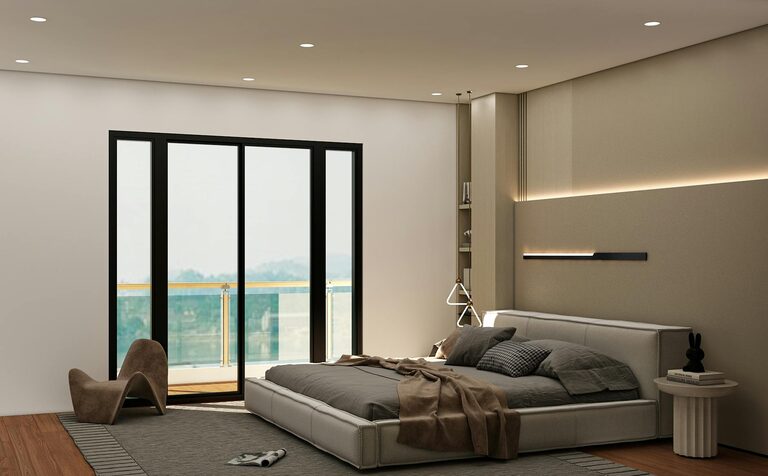
Use a combination of ambient lighting, task lighting, and accent lighting. A desk lamp with adjustable brightness is ideal for focused work, while softer overhead lights can create a relaxing atmosphere.
Personalise Your Space
Adding personal touches can make your office feel welcoming and motivate you throughout the day.
Decorations and Plants
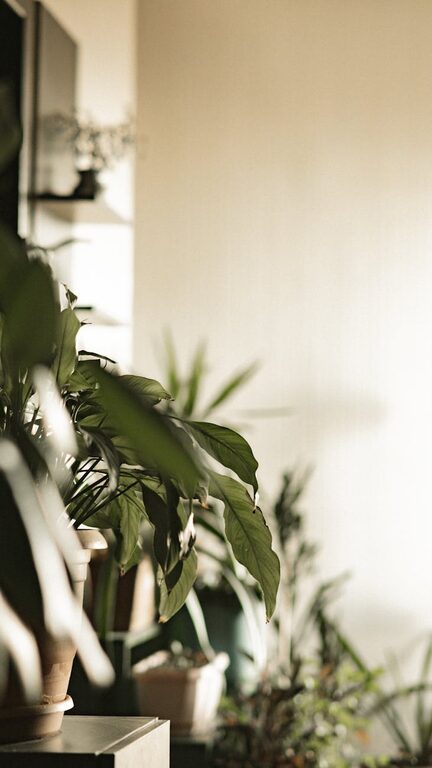
Incorporate items that inspire you, such as artwork, photographs, or meaningful objects. Indoor plants are excellent for improving air quality and adding a calming natural element.
Colours That Calm and Inspire
Colour can affect your mood and productivity. Soothing shades like blues and greens are calming, while pops of brighter colours can stimulate creativity. Choose a palette that suits your style and work habits.
Establish Effective Organisation Systems
Having an organised space reduces stress and helps you stay on top of tasks.
Use Filing Systems
Keep documents sorted with folders, binders, or filing cabinets. Digital files should also be regularly organised in well-labelled folders.
Create a Schedule
Use planners, calendars, or digital apps to manage deadlines and appointments. This structure supports productivity and helps prevent overwhelm.
Manage Noise Levels
Background noise can be distracting, so take steps to control it.
Soundproofing Solutions
If possible, add rugs, curtains, or acoustic panels to absorb noise. Noise-cancelling headphones are useful tools for blocking out distractions.
Background Sounds
Some people find gentle background noises like soft music or white noise helpful for concentration.
Promote Good Air Quality and Temperature
A comfortable environment supports focus and health.
Ventilation
Ensure good airflow by opening windows when possible. Air purifiers can also improve air quality.
Temperature Control
Use fans, heaters, or air conditioning to maintain a comfortable temperature, ideally between 18°C and 22°C.
Incorporate Break and Relaxation Zones
Taking regular breaks is crucial to maintain energy and focus.
Designate a Relaxation Spot
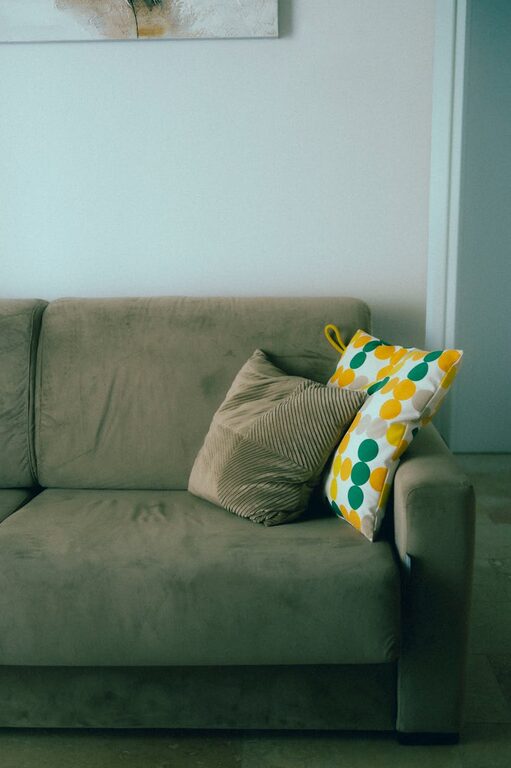
If space permits, include a comfortable chair or small sofa where you can rest during breaks, stretch, or meditate.
Encourage Movement
Keep your office layout open enough for stretching exercises or short walks around the room.
Keep Technology Efficient and Minimal
Your technology setup should support your work without cluttering your space.
Cable Management
Use cable organisers to prevent wires from tangling or creating untidy clutter.
Quality Equipment
Invest in reliable, ergonomic keyboards, mice, and monitors to reduce strain and improve efficiency.
—
By carefully selecting your workspace, investing in comfortable furniture, and organising your environment effectively, you can create a home office that is not only productive but also a relaxing place to spend your working day. Remember, the best home office is one tailored to your personal preferences and work style, so take the time to experiment and adjust until you find what works best for you.
About the Author